
SERIES
The Science of Directional Speakers
How a flashlight for sound is built. Ultrasound and nonlinear acoustics, phased arrays, piezoelectric transducers, modulation and signal processing — one directional speaker followed from principle to design in 14 episodes.
All episodes14 / 14 episodes·Complete
#01
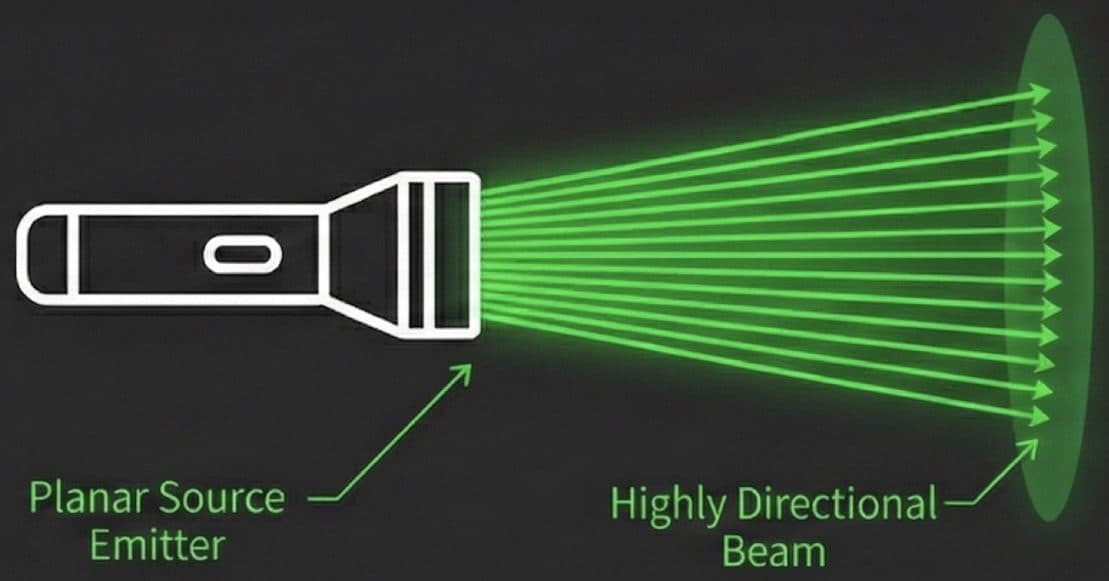
The Science of Directional Speakers #01 — A Flashlight for Sound: What Is a Directional Speaker?
26.05.28
#02
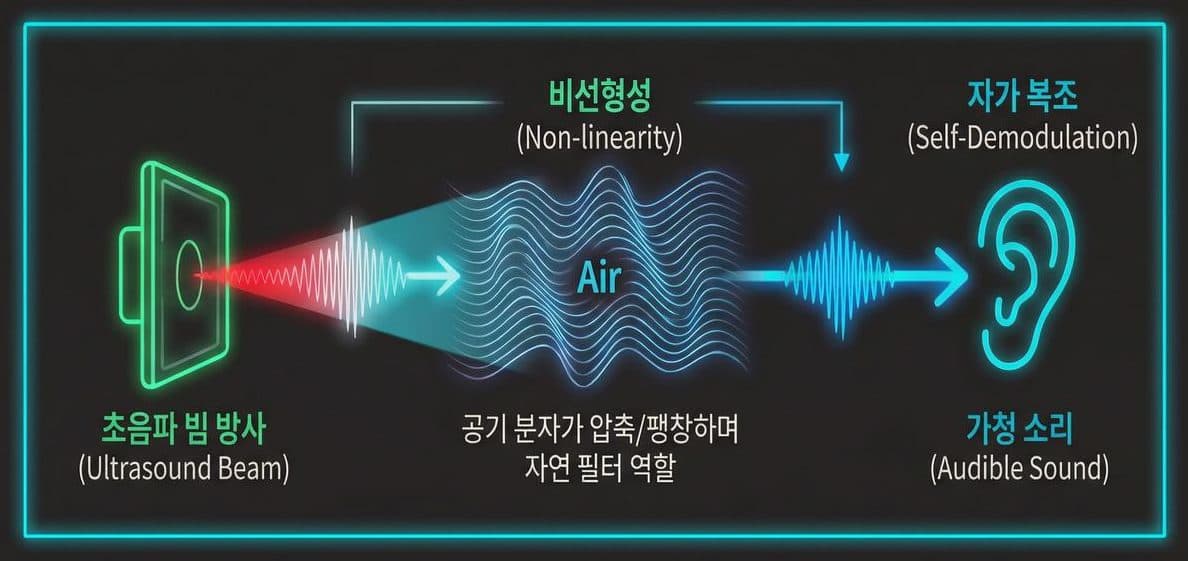
The Science of Directional Speakers #02 — Carrying Sound on Inaudible Sound
26.06.03
#03
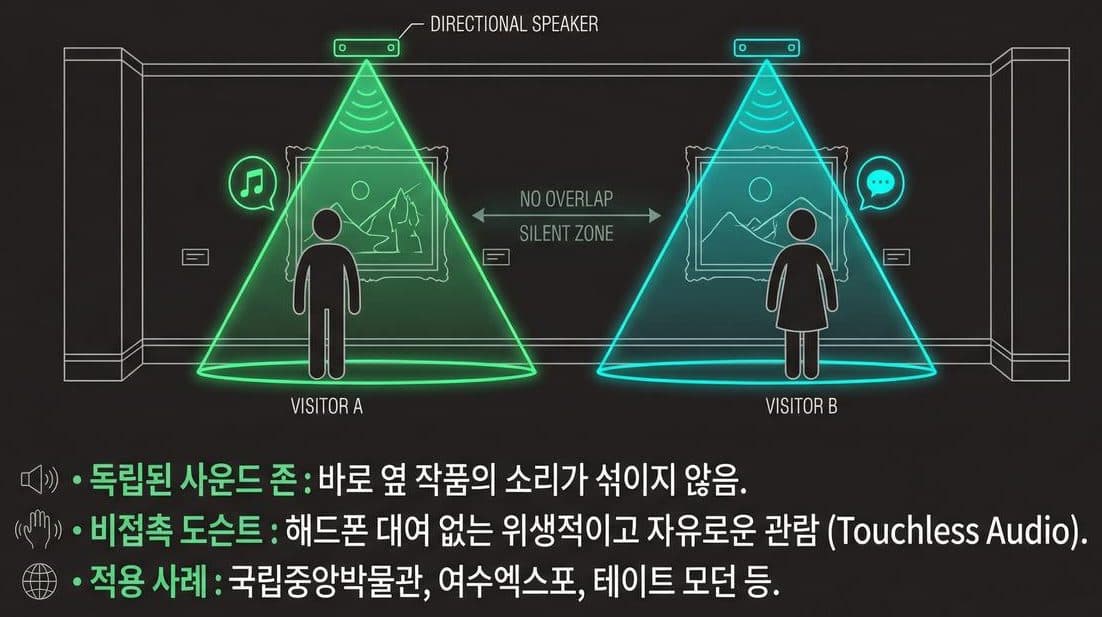
The Science of Directional Speakers #03 — Directional Speaker Use Cases: Exhibitions, Safety, Retail, and Offices
26.06.09
#04
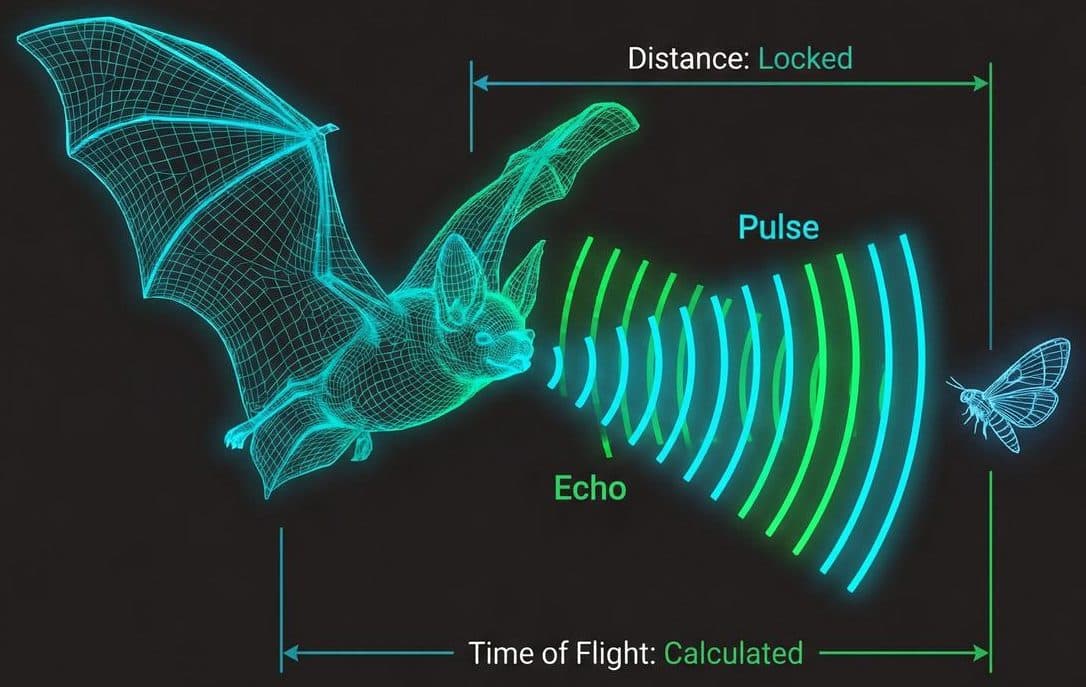
The Science of Directional Speakers #04 — What Is Ultrasound: Definition, Types, and Propagation Characteristics
26.06.15
#05
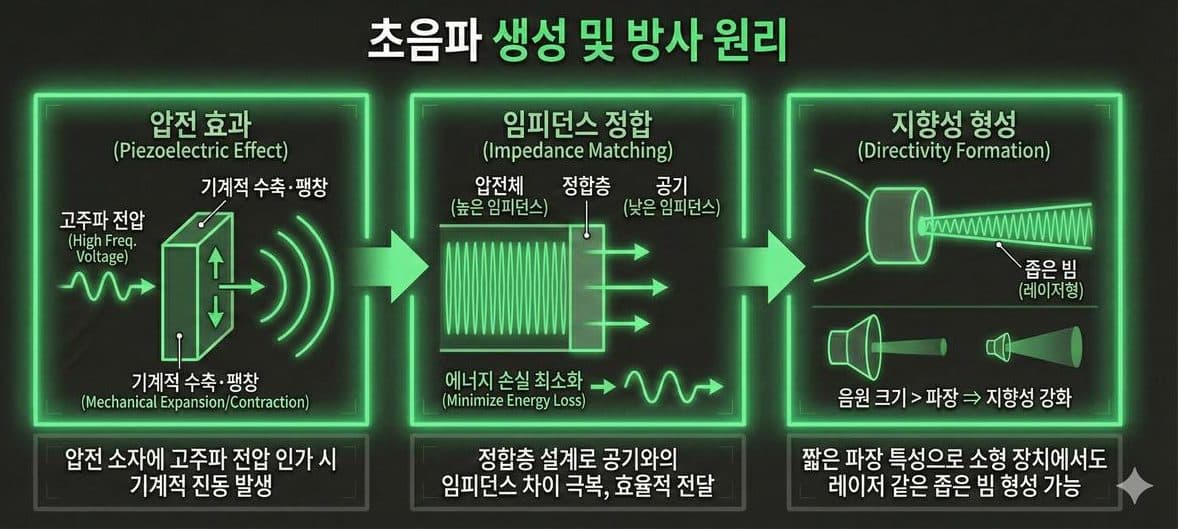
The Science of Directional Speakers #05 — Why Ultrasound: Generation Principles and a Map of Applications
26.06.21
#06
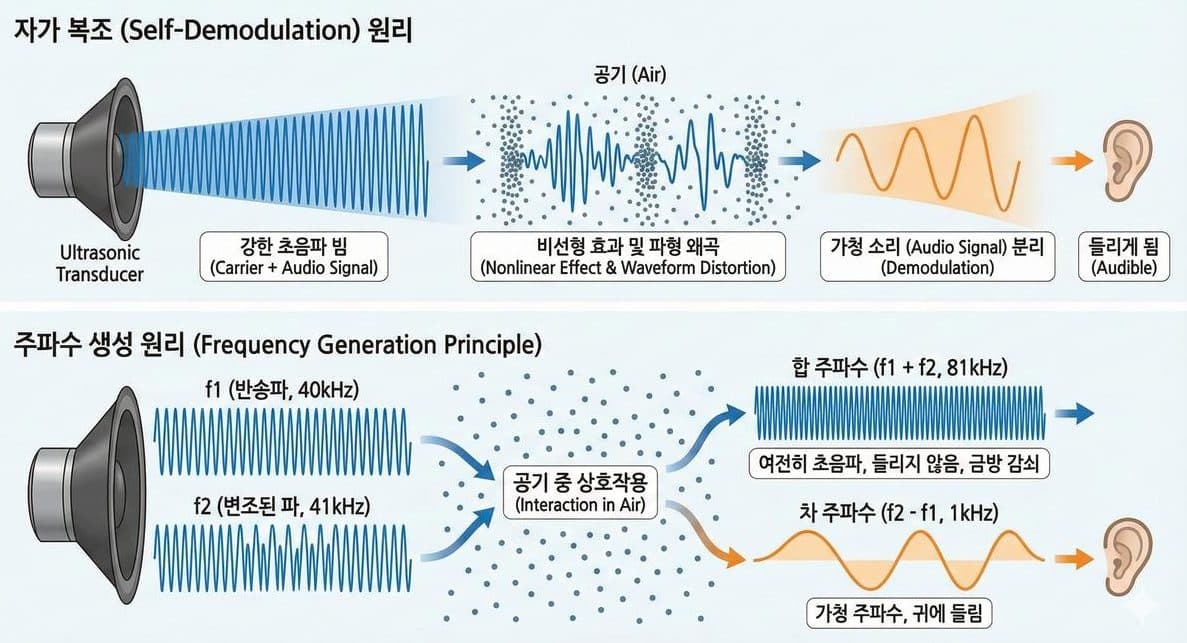
The Science of Directional Speakers #06 — The Magic of Air Becoming a Speaker: PAA Nonlinear Acoustics
26.06.27
#07
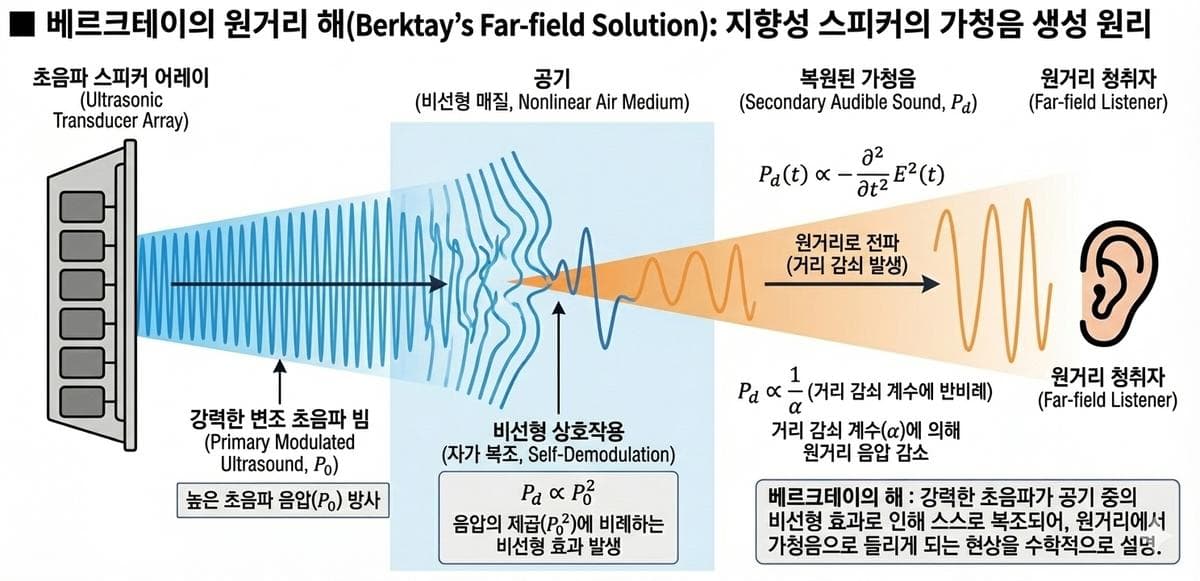
The Science of Directional Speakers #07 — PAA Theory Deep Dive: Berktay, Westervelt, and KZK
26.07.03
#08
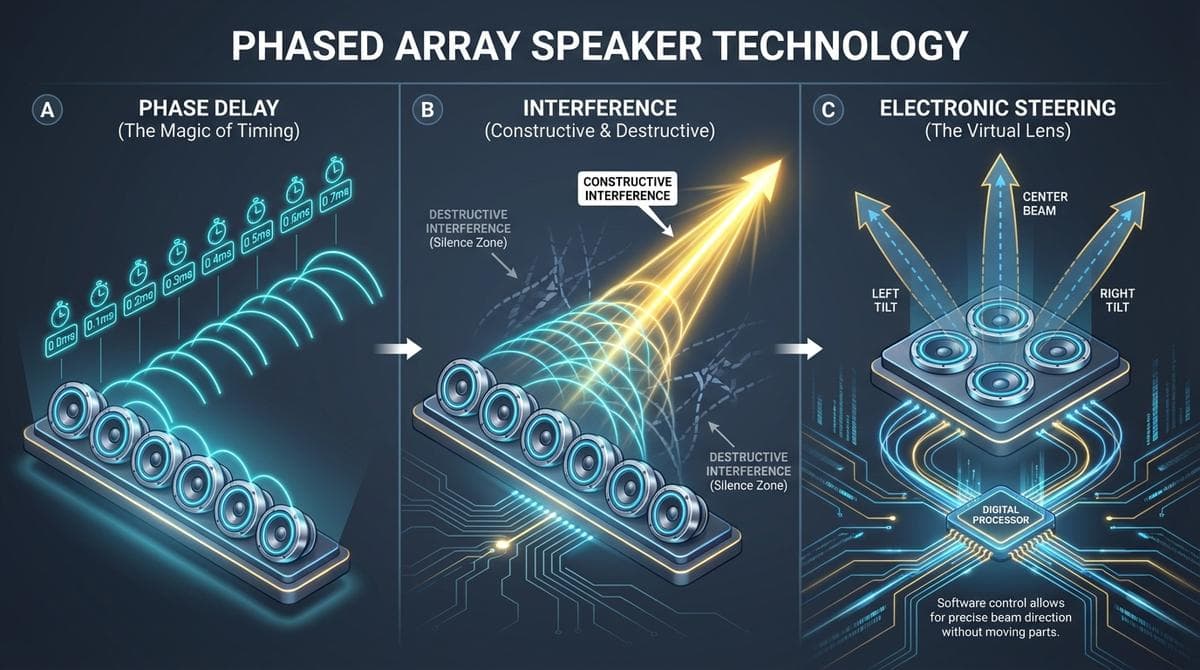
The Science of Directional Speakers #08 — Aiming Sound: Phased Arrays and Beamforming
26.07.09
#09
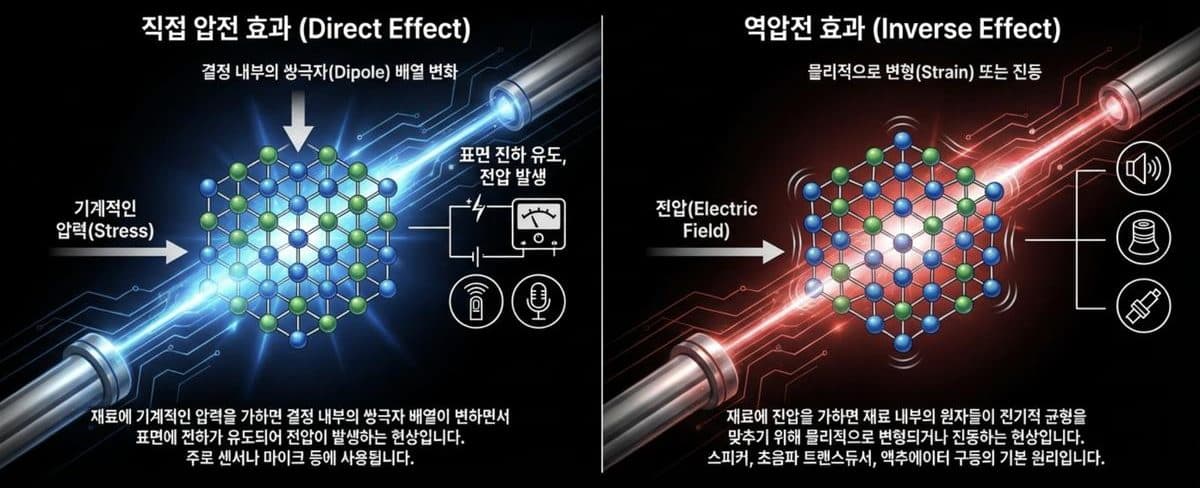
The Science of Directional Speakers #09 — The Piezoelectric Effect: The Moment Electricity Becomes Sound
26.07.15
#10
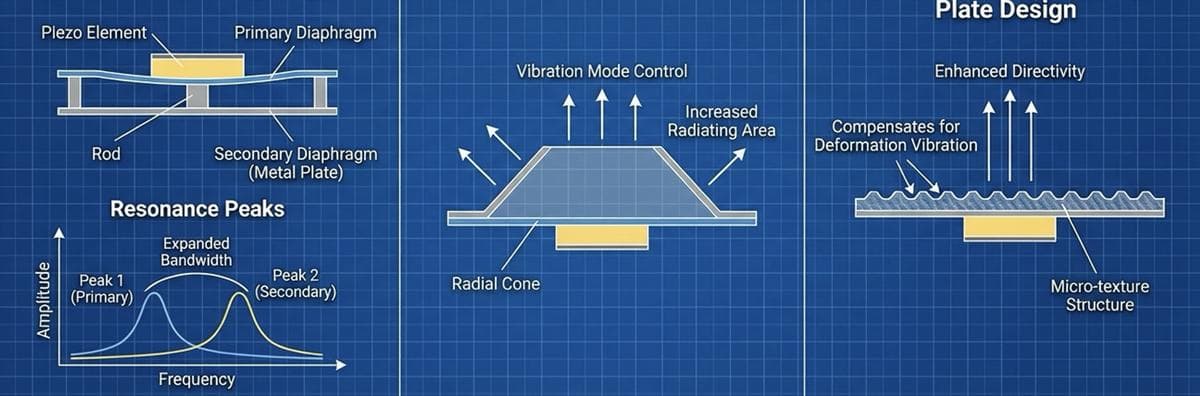
The Science of Directional Speakers #10 — Ultrasonic Transducer Design: Resonance and Array Layout
26.07.21
#11
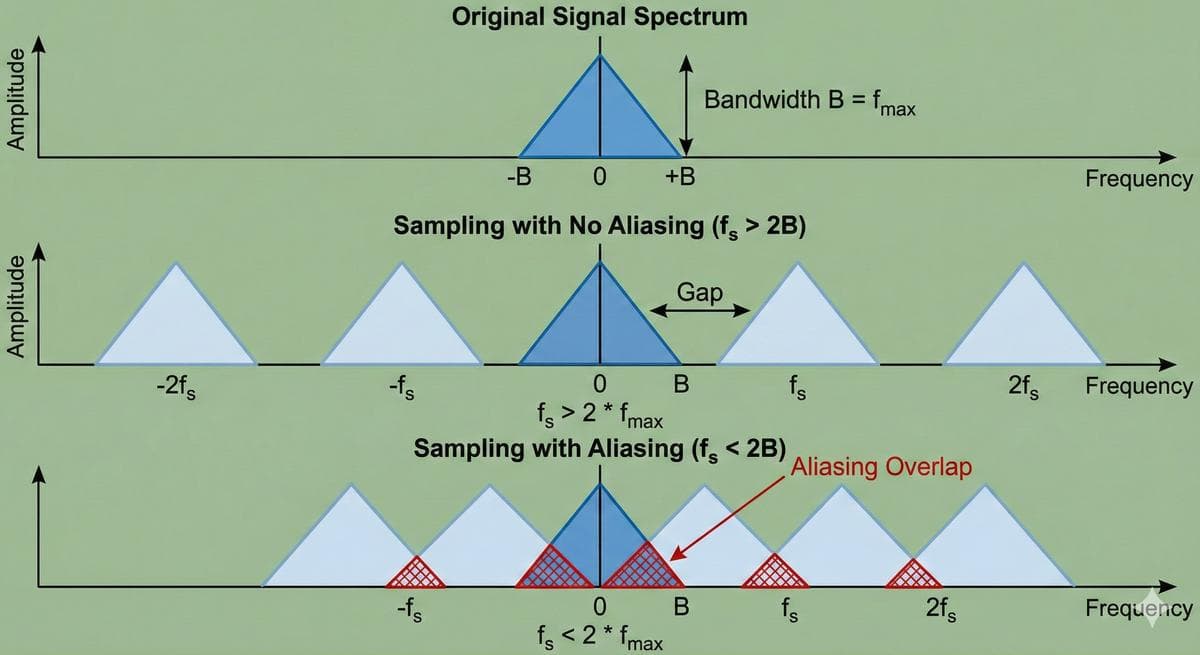
The Science of Directional Speakers #11 — The Nyquist Theorem: The Starting Point of Digital Sound
26.07.27
#12
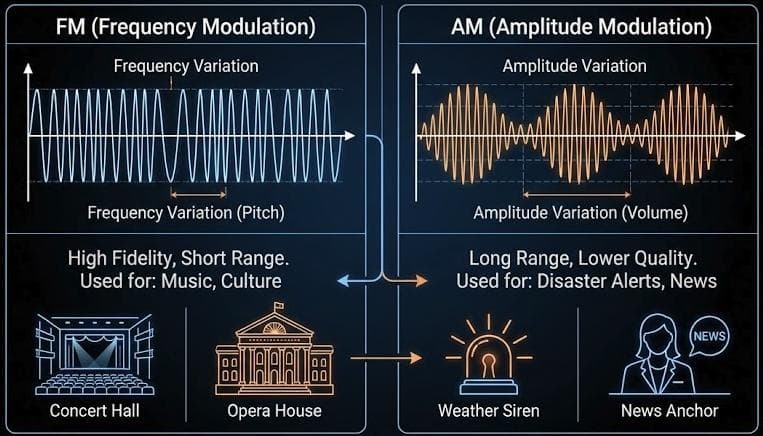
The Science of Directional Speakers #12 — Modulation Basics: AM, FM, and PWM at a Glance
26.08.02
#13
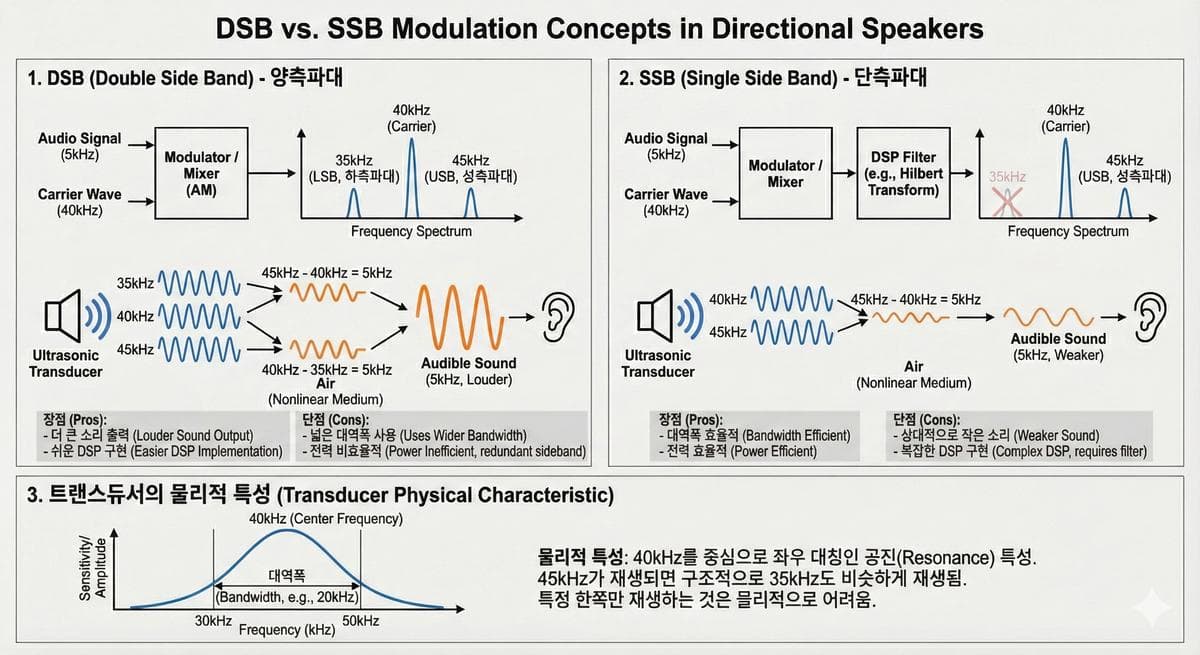
The Science of Directional Speakers #13 — The Directional Speaker's Modulation Strategy: Resonance and PWM
26.08.08
#14
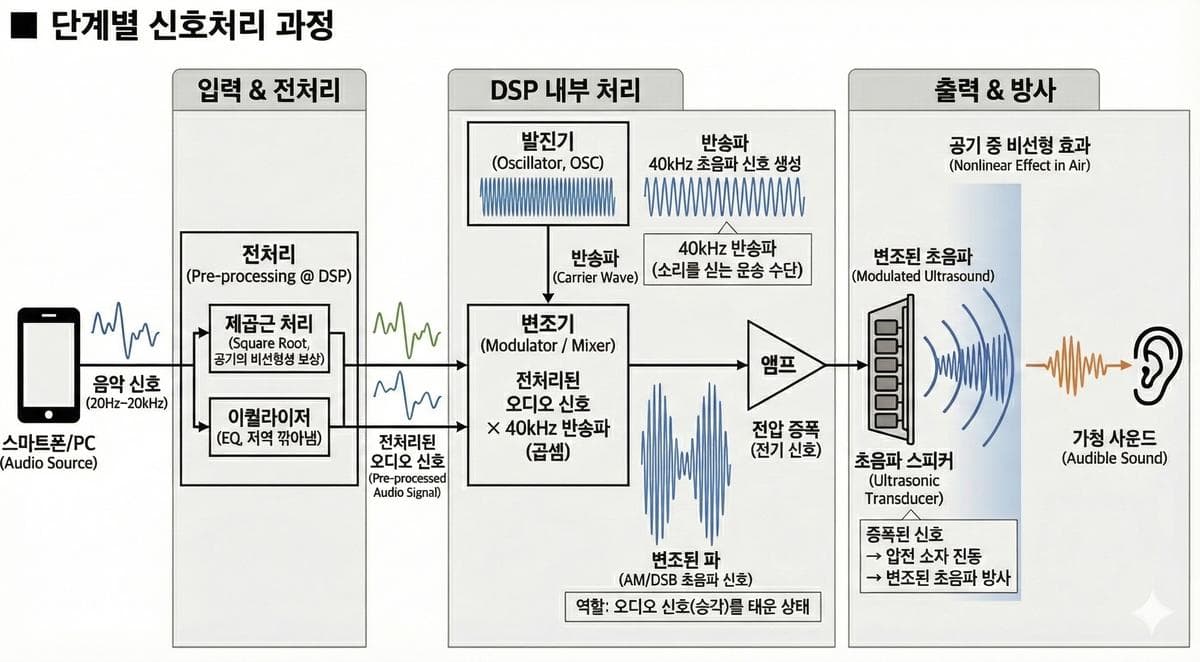
The Science of Directional Speakers #14 — Signal Processing Optimization: Bandwidth and Modulation Index
26.08.14